



An autonomous vehicle can drive, stop, and read its surroundings without a person steering every move. A buyer still has to believe the system will make a safe choice when traffic behaves in a way its developers did not expect.
Quick read:
- A safe vehicle still needs to explain its choices clearly.
- One serious failure can affect trust far beyond one vehicle.
- Public acceptance depends on evidence, rules, and easy human control.
Safety has to be visible
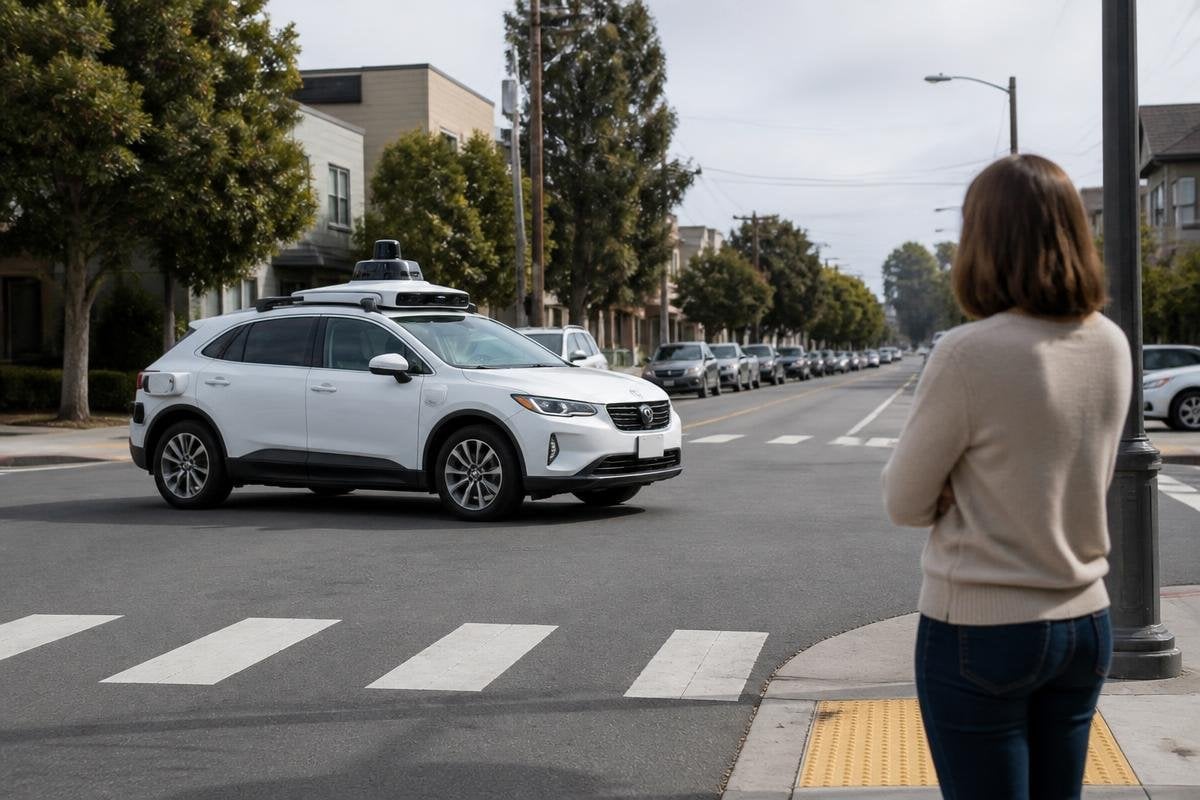
People cannot judge software by looking at a vehicle. They judge it through what happens around them: how it handles a cyclist, how it reacts to roadwork, and how quickly a person can take control.
That makes safety a communication problem as well as an engineering problem. A company can test sensors and control code in a lab, yet a person on the street sees only the vehicle’s actions and the result.
The system also needs to explain its limits in plain language. A driver or passenger should know when the vehicle is operating on its own, when it needs help, and what happens after a handover request.
A warning that arrives late or uses unclear words can make a safe response feel unsafe.
Trust grows through repeatable proof. That proof can include test methods, safety reports, clear records of failures, and updates that explain what changed after a problem. Marketing claims carry less weight than a record people can inspect.
Human control still matters
Autonomous driving does not remove human responsibility from the public mind. It changes where people expect that responsibility to sit. If the vehicle makes a mistake, people want to know who designed the system, who approved its use, and who can stop it.
That question becomes harder when several groups share the work. A vehicle maker may supply the hardware. A software company may run the driving system. A fleet operator may choose the roads and service schedule. Clear responsibility matters because trust weakens when every party points elsewhere.
Human control also needs a practical design. A passenger should not need technical training to request help, stop the trip, or report a dangerous event. The control must work when the person is frightened, distracted, or unable to reach a screen.
I’d want every public trial to publish its handover rules before asking people to ride in it. People can accept limits when those limits are stated before the trip rather than revealed during a failure.
A handover rule has little value if the public can’t see how a company tests it. Reports on autonomous vehicles at Robot24.com can tie that rule to the vehicle, route, safety driver, and trial conditions.
Trust spreads beyond one vehicle
A problem with one vehicle rarely stays attached to one vehicle. People may apply it to the wider field, especially when they cannot tell one system from another. That is why companies have a shared interest in clear reporting, even when they compete for contracts.
The same pattern applies to roads and cities. Residents need to know where autonomous vehicles may operate, how incidents are reviewed, and how complaints reach a real person. Local rules can also set limits on speed, weather, road types, or operating hours while evidence grows.
Trust is not the same as comfort. Some people may accept a system after seeing strong safety records, while others may reject it because they value control over convenience. A serious plan leaves room for both views and does not treat doubt as a technical error.
The open issue is proof over time. A short public trial can show that a vehicle works in selected conditions. It cannot, by itself, show how the system handles rare events, software changes, poor weather, or unusual road behavior across many locations.
A practical decision guide
Before approving an autonomous vehicle service, check these points:
- Read the limits: confirm the roads, weather, speeds, and times the system supports.
- Check human help: find out how a passenger reaches an operator and how long that response should take.
- Ask for records: request incident counts, testing methods, and changes made after failures.
- Name responsibility: identify the vehicle maker, software provider, operator, and safety contact.
- Test the exit: confirm that a passenger can stop the trip without special training.
These checks turn trust from a slogan into a question with an answer. They also give public agencies and buyers a way to compare a stated safety plan with the system they may actually approve.
Autonomous vehicles will gain public trust through open limits, visible human control, and evidence that keeps accumulating after launch. Until companies can show how their systems behave outside planned conditions, the safest choice is to keep each operating area narrow and each claim easy to check.